


How Can You Naturally Repel Mosquitoes and Pests With Landscaping?
Why We Always
Design in 3D
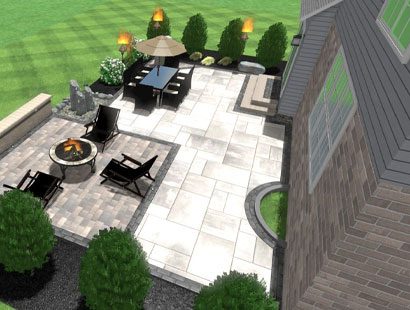
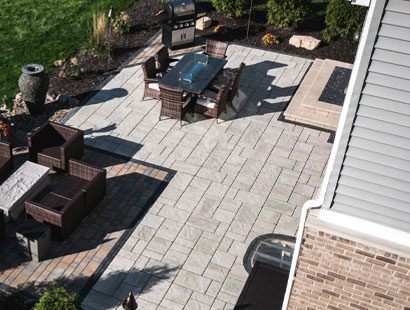


You’re putting real time and money into your yard because you want to actually use it. Whether you’re planning new planting beds, a patio, or a full outdoor makeover, pest control should be part of the conversation from the start. The last thing you want is to finish a beautiful outdoor space and then avoid it because it attracts the wrong kind of company.
The good news is that your landscaping choices can help make your outdoor space more comfortable. No single plant will completely eliminate mosquitoes or other outdoor pests, but a well-designed landscape can make a noticeable difference.
Here’s how you can repel mosquitoes and pests with your landscaping:
- Choose plant varieties known for naturally deterring mosquitoes and other common pests.
- Place those plants where they’ll have the most impact on the spaces you use.
- Work them into a thoughtful design rather than treating them as a standalone fix.
At Midwest Landscape, we’ve been designing and installing outdoor spaces in Northwest Indiana since 2007. Our team combines horticultural knowledge with landscape design experience, allowing us to create spaces that are both beautiful and functional for the way homeowners want to enjoy their yards. If you’re looking to get more out of your outdoor space, we’re ready to help.
Which Flowers and Plants Are Known for Naturally Deterring Pests?
Several popular plants do double duty: they look great in your yard and naturally discourage mosquitoes and other common outdoor pests. Here are some of the most effective options for Northwest Indiana landscapes:
Lavender
Lavender deters mosquitoes, insects, rabbits, and other animals. Its essential oils produce a fragrance that many pests find unpleasant, and some research suggests lavender oil may even hinder a mosquito’s ability to smell. It thrives in full sun with good drainage and is drought-resistant once established. It grows well across a wide range of climates (Zones 5–11 depending on variety), and its soft purple blooms add a polished, finished look to garden beds.
Marigolds
Marigolds emit a distinct scent that deters mosquitoes, aphids, whiteflies, and several other common garden pests. They’re easy to grow as annuals, thrive in containers and borders, and work especially well near patios or entryways. Their bright, warm colors also add strong seasonal interest.
Catmint
Catmint belongs to the mint family and is one of the most effective natural mosquito deterrents available. It contains a natural compound called nepetalactone that has been shown to repel mosquitoes. A hardy perennial (Zones 3–8), it grows well in Northwest Indiana and adds a soft, billowy texture to landscape beds.
Basil
The pungent smell from basil’s leaves naturally deters mosquitoes and flies. It requires good drainage, consistent moisture, and plenty of sun. Basil works well in containers or garden beds and is a practical choice near outdoor dining areas or kitchen gardens.
Sage
Sage releases an earthy scent that deters general pests, particularly when its leaves are added to a nearby fire. It’s a perennial in Zones 5–8 and pairs especially well with fire pit seating areas.
Choosing the right plants for your landscape is only part of the equation. Where you put them matters just as much.
Where Should Pest-Repelling Plants Be Placed in Your Landscape for the Best Results?
Scent-based deterrence works best when the plants are near spaces where people gather. Scattering them randomly throughout a yard limits their effectiveness. Strategic placement, near the areas you actually use, is what makes the difference.
Some of the best spots to incorporate pest-repelling plants include:
- Patios and seating areas: Place lavender, catmint, or marigolds along the perimeter of the patio where their scent will be most noticeable.
- Outdoor kitchens and dining areas: Basil is ideal here, both for deterring pests and for its culinary usefulness.
- Fire pits: Sage is a natural fit near fire pits, where tossing a few leaves into the flames can amplify its pest-repelling effect.
- Walkways and entryways: Low-growing fragrant plants along pathways release scent as people brush past them, making them both functional and inviting.
Beyond location, placement decisions should also consider sunlight requirements, airflow, and how different areas of your yard connect. A professional design approach considers all of these variables together, which is how pest-repelling plants get incorporated in a way that looks intentional rather than haphazard.
Of course, a comfortable yard should also be a beautiful one.
How Do You Balance Pest Control With a Beautiful Yard Design?
You don’t have to choose between a yard that looks good and one that feels comfortable to spend time in. The best outdoor spaces accomplish both, and pest-repelling plants can be worked into almost any landscape design without compromising aesthetics.
A few principles that help strike that balance:
- Let the overall design lead. Pest-repelling plants should complement the design, not dictate it. They work best when blended with ornamental flowers, shrubs, trees, and hardscape features rather than planted in isolation.
- Think about seasonal color and texture. Lavender, marigolds, and catmint all offer strong visual interest. Varying plant heights and textures creates depth and keeps the design looking layered and intentional.
- Match plants to your growing conditions. A plant that struggles in your soil or climate won’t deter pests effectively and won’t look great either. Choosing species suited to Northwest Indiana’s clay-heavy soils and humidity is key to long-term success.
- Consider maintenance requirements. Some pest-repelling plants, like catmint, spread aggressively and may need to be contained. Factoring in maintenance from the start keeps the design manageable over time.
When pest control is treated as one element within a broader landscape design strategy rather than an afterthought, the result is a yard that’s both attractive and genuinely enjoyable to use.
Design a Landscape You Actually Want to Spend Time In
The right landscaping should make you want to spend more time outdoors, not worry about mosquitoes and other pests driving you back inside. By choosing plants that naturally deter pests, positioning them near the areas you use most, and working them into a cohesive design, you get a yard that pulls double duty.
Ready to put this into practice? At Midwest Landscape, we design outdoor spaces that are as functional as they are beautiful. From plant selection to full yard design, our team handles every detail so you end up with a space you’ll actually use. Reach out to our landscapers to get started.
Financing Your Dream: Finance
with Ease
- Immediate Start: No money down.
- Zero Interest Option: 0% same as cash for 12 months.
- Extended Plan: 6.99% interest over 60 months.
- Generous Limits: Finance up to $75,000.
- Quick Approvals: Get approved in just 5 minutes.
Are You
Ready to Start
Your Project?
Let us assist you.
Let us know what you’re envisioning, and we’ll get in touch
right away to schedule an appointment to examine
your site, learn about your goals, and provide expert
recommendations.


NUVEW | Copyright 2026 All Rights Reserved | Privacy statement | Accessibility Notice
The information on this website is for informational purposes only; it is deemed accurate but not guaranteed. It does not constitute professional advice. Testimonials are not a guarantee, warranty or prediction of what your experience with us will be. By providing contact information, users acknowledge and give explicit consent to be contacted via the methods of communication provided, including SMS. Message and data rates may apply. Message frequency may vary. Reply STOP to opt out.