


How Do I Design a Paver Patio for My Home?
Why We Always
Design in 3D
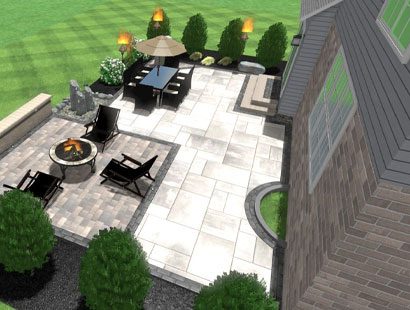
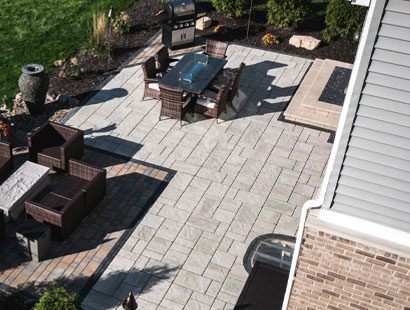
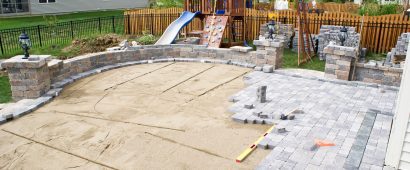

You’ve got the vision. You can picture yourself sipping coffee on a crisp morning or hosting a lively family barbecue on a beautiful paver patio. But when it comes to the specifics of the design, it’s easy to get stuck, unsure where to start or how to move forward.
At Midwest Landscape, we’ve been designing and installing gorgeous paver patios throughout Northwest Indiana since 2007, and we know exactly how to turn your uncertainty into a solid plan.
Here is what you should do to design the perfect paver patio for your home:
- Decide how you want to use your patio.
- Consider how big you want your patio to be.
- Choose paver materials and patterns that complement your home.
- Plan lighting, seating, and other features to make it yours.
Now that you have a quick snapshot, let’s dive into what it takes to design a patio that’s uniquely yours.
What Do I Want My Patio to Be Used For?
Before you look at a single brick sample, you need to identify your main goal for the space. Are you looking for a quiet retreat for reading, a robust outdoor dining area, or a party hub for large gatherings? The way you plan to use your patio will influence every aspect of its design.
Make sure you’re honest with yourself about how you’ll use the space. If you’re not one for hosting large parties, a big, open patio might feel empty. In that case, a smaller, more intimate design would be a better fit. Similarly, if you don’t enjoy cooking, a built-in outdoor kitchen would likely go to waste. Focusing on your actual lifestyle will help you design a patio you’ll truly use and enjoy for years to come.
How Big Should My Patio Be?
The next thing you need to think about after determining how you want to use your space is how much space you’ll actually need to make that goal a reality. A lot of people think bigger is better, but that isn’t always the case. A massive patio can feel cold and empty if you only have two chairs, while a tiny square can feel cramped with a dining table.
To get the sizing right, grab a tape measure and some marking paint (or a garden hose) and outline the space in your yard. Place your actual patio furniture inside the lines. Can you pull out a chair without hitting the edge? Is there a clear walkway to the door?
You also need to think about zones. If you want a dining table and a lounging area, you need enough square footage to separate them visually so the space doesn’t feel cluttered.
What Paver Color and Materials Will Go Best with My Home?
Once you have the logistics of your patio design down, you can dive deeper into the aesthetics. Your patio should look like an extension of your home, not an afterthought. The material you choose sets the tone for the entire landscape.
- Concrete pavers come in endless colors and textures, mimicking everything from slate to cobblestone.
- Natural stone offers a timeless, elegant look but often comes at a higher price point.
- Brick provides a classic, rustic warmth.
When selecting colors, look at your home’s siding and roof. If your house has a lot of multi-colored brick, a solid-color paver might be a good choice to avoid a busy look. If your home has a neutral siding color, a textured or blended paver can add necessary visual interest. You want a mood that feels cohesive, whether that’s modern and sleek or rustic and cozy.
What Pattern Should I Choose for My Paver Patio?
Once you have a color in mind, the pattern comes next. The way you lay your pavers affects both the strength of the patio and its aesthetic. Here are some of the most popular paver patio patterns:
- Herringbone: This zig-zag pattern is classic and extremely durable for high-traffic areas.
- Basket Weave: A simple, checkerboard-style pattern that looks great in historic or traditional settings.
- Running Bond: Simple rows that can make a small patio look wider or longer, depending on the direction.
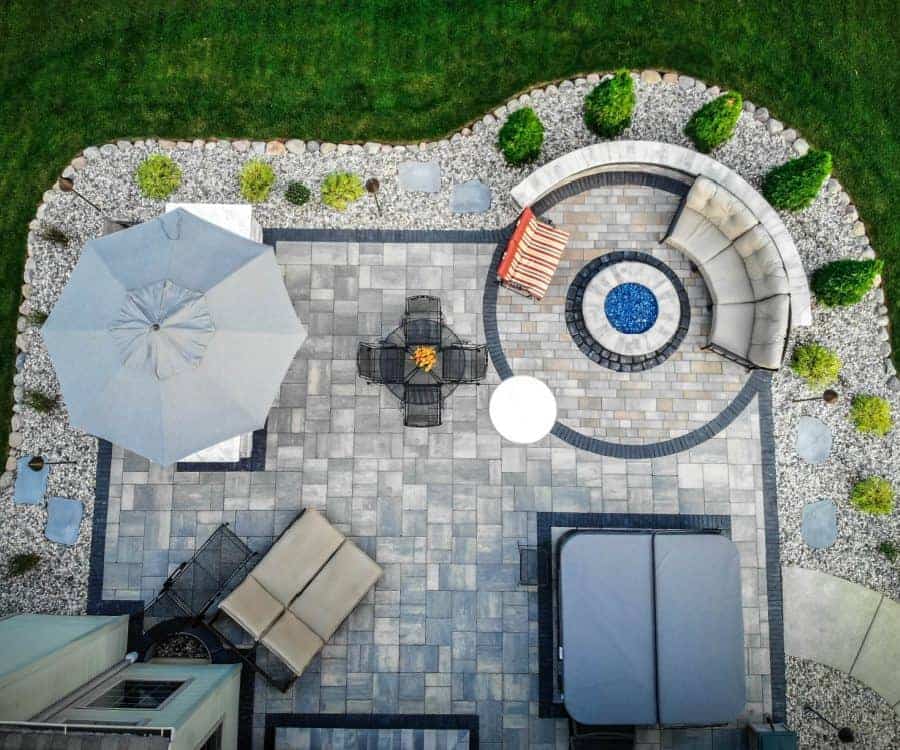
- Circular Layouts: These are fantastic for breaking up straight lines and defining specific areas, like a fire pit zone.
Don’t be afraid to mix it up. You can use a different pattern or a contrasting border color to define walkways or separate the dining area from the lounging area.
What Features Should I Add to My Paver Patio?
Last but not least, once your patio is all designed, you get to think about the kind of stuff you’d like to add to it. After all, a patio is just a floor until you add the features that bring it to life. Here are some popular choices:
- Built-in seating: Retaining walls can double as seating walls, saving space on furniture.
- Fire pits: A central fire feature extends your patio’s use into the colder months.
- Pergolas: These add height, shade, and architectural interest.
- Lighting: Built-in lighting means the party doesn’t have to end when the sun goes down.
Just make sure any feature you add aligns with your overall patio goal.
Your Perfect Patio Awaits
Designing a paver patio is about more than just picking out stones. It’s about creating a space that brings you joy and enhances your lifestyle. Start with a clear purpose, dream big about the features, and then refine the details to fit your space.
If you’re ready to get started, reach out to Midwest Landscape today. We are one of the only certified paver installers in the Region and offer a 5-year warranty on our outdoor living projects. We’d be honored to help you create something that is perfect for you and your space.
Financing Your Dream: Finance
with Ease
- Immediate Start: No money down.
- Zero Interest Option: 0% same as cash for 12 months.
- Extended Plan: 6.99% interest over 60 months.
- Generous Limits: Finance up to $75,000.
- Quick Approvals: Get approved in just 5 minutes.
Are You
Ready to Start
Your Project?
Let us assist you.
Let us know what you’re envisioning, and we’ll get in touch
right away to schedule an appointment to examine
your site, learn about your goals, and provide expert
recommendations.


NUVEW | Copyright 2026 All Rights Reserved | Privacy statement | Accessibility Notice
The information on this website is for informational purposes only; it is deemed accurate but not guaranteed. It does not constitute professional advice. Testimonials are not a guarantee, warranty or prediction of what your experience with us will be. By providing contact information, users acknowledge and give explicit consent to be contacted via the methods of communication provided, including SMS. Message and data rates may apply. Message frequency may vary. Reply STOP to opt out.