


How Do I Keep My Hardscaping in Good Condition?
Why We Always
Design in 3D
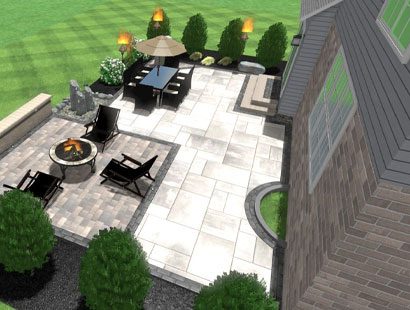
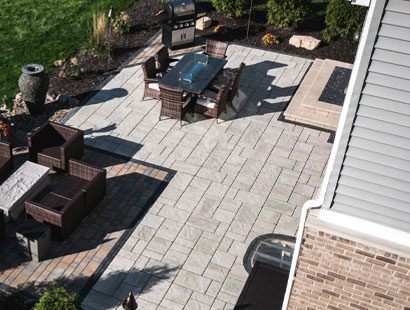
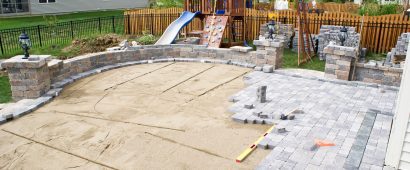

When you look at your hardscaping, you don’t just see stone—you see possibility. It’s the place where laughter gathers, where your home makes its first impression, and where your vision for your outdoor space comes to life. Naturally, you want to protect that investment and keep it looking its best, year after year.
Since 2007, Midwest Landscape has been creating luxury hardscapes across Northwest Indiana, and we’ve learned exactly what it takes to keep these features looking their best. The secret lies in simple, consistent care rather than waiting until problems pile up. Here are practical tips to protect your hardscaping investment year-round.
How Do I Keep My Hardscaping Looking New?
Regular sweeping prevents dirt and debris from building up in joints and on surfaces. A quick weekly sweep followed by a gentle rinse with your garden hose removes most accumulated grime before it becomes stubborn.
When spills happen, clean them immediately. Coffee, wine, or cooking grease can penetrate porous stone surfaces, creating permanent stains if left untreated. A simple spot-cleaning routine beats major restoration work every time.
Think of hardscaping maintenance like brushing your teeth—small daily habits prevent big problems later.
Can I Pressure Wash My Patio or Pavers Safely?
Yes, but proceed with caution. Excessive pressure can etch delicate stone surfaces or blast away joint sand between pavers. Start with the lowest pressure setting and test an inconspicuous area first.
If you’re unsure about pressure washing, hire a professional who understands different stone types and appropriate pressure levels. Better to invest in expert cleaning than risk damaging expensive materials.
For delicate stones like limestone or travertine, skip the pressure washer entirely. Mix mild soap with warm water and use a soft-bristle brush for gentle but effective cleaning.
Do I Need to Seal My Hardscaping?
Sealing protects your investment against stains, weather damage, and color fading. Most hardscaping materials benefit from sealing every two to three years, depending on the level of foot traffic and weather exposure.
High-traffic areas, such as main walkways, may require annual sealing, while secluded patio corners can go longer between treatments. Pay attention to how water behaves on your surfaces—if it soaks in rather than beading up, it’s time to reseal.
You can tackle sealing as a DIY project with proper preparation and quality sealers. However,a professional application guarantees even coverage and appropriate product selection for your specific materials.
How Do I Protect My Hardscaping in Winter?
Rock salt damages concrete and many natural stones. Choose ice melt products labeled as safe for concrete and vegetation. Pet-friendly options protect both your hardscaping and furry family members.
Use plastic shovels instead of metal ones to prevent scratches on pavers and stone surfaces. Metal tools can chip edges and create permanent damage that’s expensive to repair.
Clear snow and ice promptly to reduce freeze-thaw cycles that crack joints and damage surfaces. Standing water that repeatedly freezes and thaws causes more damage than the initial snow accumulation.
What If My Hardscaping Starts Cracking or Shifting?
Address small cracks immediately with appropriate filler materials before they expand. Temperature changes can cause minor cracks to grow rapidly if left untreated.
Uneven or shifting pavers typically indicate problems with the base material. Lift affected pavers, add fresh base material, and reset them level. This prevents trip hazards and stops further shifting.
Call professionals for large cracks, drainage issues, or widespread shifting. These problems often indicate foundation issues that may require you to redesign your hardscaping and start anew.
Are Weeds Between My Pavers Normal? How Do I Stop Them?
Weeds commonly appear in paver joints, especially in older installations. They’re normal but completely preventable with proper joint filling.
Polymeric sand locks paver joints and significantly reduces weed growth. This specialized sand hardens when wet, creating a solid barrier that weeds struggle to penetrate.
For existing weeds, spot-treat with eco-friendly herbicides or pour boiling water directly on them. Both methods kill weeds without harsh chemicals that might stain your hardscaping.
Keep Your Hardscaping Strong and Beautiful
Consistent cleaning, periodic sealing, winter protection, and prompt repairs keep your hardscaping adding value and curb appeal for years.
If your current hardscaping looks tired or outdated, Midwest Landscape can redesign and rebuild it with materials and techniques that last a lifetime. Contact us today to explore how we can transform your outdoor space.
Financing Your Dream: Finance
with Ease
- Immediate Start: No money down.
- Zero Interest Option: 0% same as cash for 12 months.
- Extended Plan: 6.99% interest over 60 months.
- Generous Limits: Finance up to $75,000.
- Quick Approvals: Get approved in just 5 minutes.
Are You
Ready to Start
Your Project?
Let us assist you.
Let us know what you’re envisioning, and we’ll get in touch
right away to schedule an appointment to examine
your site, learn about your goals, and provide expert
recommendations.


NUVEW | Copyright 2026 All Rights Reserved | Privacy statement | Accessibility Notice
The information on this website is for informational purposes only; it is deemed accurate but not guaranteed. It does not constitute professional advice. Testimonials are not a guarantee, warranty or prediction of what your experience with us will be. By providing contact information, users acknowledge and give explicit consent to be contacted via the methods of communication provided, including SMS. Message and data rates may apply. Message frequency may vary. Reply STOP to opt out.