


Should You Add Rain Gardens to Your Landscaping?
Why We Always
Design in 3D

Redoing your landscaping can be exciting, but you don’t want your yard to blend in with every other house on the block. You want design with purpose, movement, and a feature that feels alive and intentional.
At Midwest Landscape, we’ve been designing and constructing gorgeous landscapes across Northwest Indiana since 2007. One feature we love incorporating into outdoor spaces is the rain garden. It’s an innovative, eye-catching addition that goes beyond the usual plants and pathways.
Here are some reasons why you should consider adding rain gardens to your landscaping:
- They transform a common yard issue into a design feature.
- They make your landscape more eco-friendly.
- They add depth and create a striking focal point.
- They require less maintenance than traditional turf.
Let’s walk through exactly what a rain garden is, why your yard might benefit from one, and how to design it beautifully.
What Is a Rain Garden?
A rain garden is a shallow, planted depression designed to capture rainwater runoff from roofs, driveways, and patios. Think of it as a natural sponge for your yard. The water collects in this intentional low spot and slowly soaks into the ground over 24 to 48 hours, rather than rushing into storm drains or pooling on your property.
Many people assume a rain garden is a pond or a swampy pit, but that’s not the case. It’s a deliberate landscape feature filled with native plants that thrive in both wet and dry conditions. The design allows water to infiltrate naturally while filtering out pollutants along the way.
What Are the Benefits of Adding Rain Gardens to Your Landscaping?
Rain gardens do more than solve drainage issues; they enhance your property’s beauty, support the environment, and increase long-term value.
Environmental Impact
Rainwater runoff from hard surfaces carries pollutants like fertilizer, oil, and sediment. A well-designed rain garden slows runoff, filtering it naturally through layered soil and plant roots.
Rain gardens absorb far more water than traditional lawns, reducing strain on storm systems and helping prevent flooding and erosion. Instead of losing water and soil, you’re using them effectively and sustainably.
Biodiversity
Rain gardens use native plants suited to local soil and climate, providing nectar, shelter, and seeds for bees, butterflies, and birds year-round.
The result? A vibrant yard alive with seasonal changes, pollinators, and a deeper connection to nature in Northwest Indiana.
Visual Interest
A flat lawn lacks dimension, while a rain garden adds intentional depth with varying heights, textures, and bloom times.
You’ll enjoy bold summer colors from purple coneflowers, swaying ornamental grasses, and rich fall tones from prairie plants. Layered by moisture zones, rain gardens create a curated, eye-catching focal point.
Low Maintenance
Once established, native plants develop deep root systems that help them withstand both heavy rain and dry spells. That means less watering, less fertilizing, and no constant mowing.
Instead of maintaining a high-input lawn that demands regular attention, you gain a self-sustaining system that supports itself season after season with minimal intervention.
How Can You Tell If Your Landscaping Needs a Rain Garden?
Not sure if a rain garden makes sense for your property? Here are some signs to watch for:
- Pooling Water: If puddles form after storms near downspouts or low spots in your yard, a rain garden can help manage that runoff. Keep in mind that if water stays for weeks, you may have a more serious drainage issue.
- Erosion: Soil washing away near driveways, patios, or downspouts is a clear sign that water needs better management.
- The “Bland Yard” Syndrome: If your landscape feels flat and monotonous, a rain garden adds purposeful dimension and visual interest.
Even if you don’t have major drainage problems, a rain garden is a proactive way to prevent future issues while enhancing your landscape’s beauty.
How Do You Design a Rain Garden That Fits Your Landscape?
Designing a rain garden requires thoughtful planning. Here’s what you need to know:
Location Matters
Place your rain garden at least 10 feet away from your home’s foundation to protect the structure. Choose a spot with a natural slope to direct water flow, and avoid areas with underground utilities or septic systems.
Native Plant Selection
Native plants are crucial because they’re adapted to local conditions and have deep root systems that absorb water and filter contaminants. Divide your garden into three zones based on moisture levels:
- Wet zones: Swamp milkweed, blue flag iris, and cardinal flower
- Transition zones: Black-eyed Susans, purple coneflower, and switchgrass
- Dry zones: Little bluestem, butterfly weed, and prairie dropseed
Shape and Flow
Use organic, curved shapes that follow the natural lay of the land. This makes the rain garden look intentional rather than accidental. For most residential properties, a rain garden between 100 and 300 square feet is about the right size. A general rule is to make it 20 to 30% of the size of the area draining into it.
The Professional Advantage
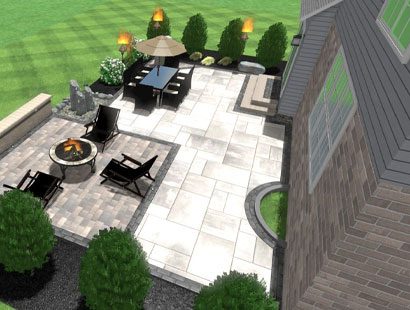
While DIY is possible, calculating the correct size, soil mix, and grading often requires a professional eye. Leading professionals use 3D imaging software so you can visualize your new rain garden before they break ground.
It’s Time for Landscaping That Does More
A rain garden is more than a design feature. It’s an intentional upgrade that improves how your yard functions and how it feels. By capturing stormwater, supporting local wildlife, and adding visual interest, a rain garden turns your yard into a living ecosystem you can be proud of.
If you’re ready for landscaping that does more than look good, start a conversation with our landscapers at Midwest Landscape. We’ll evaluate your property, identify opportunities, and design a custom rain garden that enhances both function and curb appeal.
Financing Your Dream: Finance
with Ease
- Immediate Start: No money down.
- Zero Interest Option: 0% same as cash for 12 months.
- Extended Plan: 6.99% interest over 60 months.
- Generous Limits: Finance up to $75,000.
- Quick Approvals: Get approved in just 5 minutes.
Are You
Ready to Start
Your Project?
Let us assist you.
Let us know what you’re envisioning, and we’ll get in touch
right away to schedule an appointment to examine
your site, learn about your goals, and provide expert
recommendations.


NUVEW | Copyright 2026 All Rights Reserved | Privacy statement | Accessibility Notice
The information on this website is for informational purposes only; it is deemed accurate but not guaranteed. It does not constitute professional advice. Testimonials are not a guarantee, warranty or prediction of what your experience with us will be. By providing contact information, users acknowledge and give explicit consent to be contacted via the methods of communication provided, including SMS. Message and data rates may apply. Message frequency may vary. Reply STOP to opt out.