


What Should I Consider When Choosing Plants for My Landscape?
Why We Always
Design in 3D
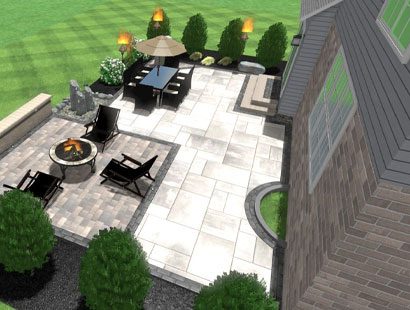
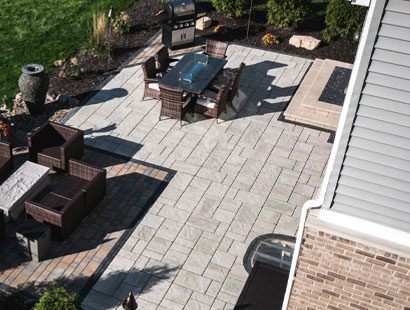


You may know you want more plants in your landscape, but choosing the right ones can feel like a big challenge. Since 2007, Midwest Landscape has been helping homeowners in Northwest Indiana pick out and plant greenery that turns ordinary yards into stunning outdoor retreats. The truth is, beautiful landscaping isn’t about picking what looks good at the garden center; it’s about selecting plants that will truly thrive in your space.
Before choosing any plant, here’s what you need to consider:
- Whether the plant is suited to your local climate and growing conditions
- How much ongoing care and maintenance will the plant require
- Whether the plant works with your property’s layout and available sunlight
- How the plant will respond to your yard’s soil quality and drainage
- How the plant will look and function alongside other plants in your landscape
These considerations create the foundation for a landscape that looks intentional, healthy, and beautiful year after year.
What Plants Will Actually Grow Well in My Climate?
If you have ever bought a beautiful exotic plant just to see it wither in a cold snap, you understand the importance of hardiness zones. These zones are geographic areas defined by their average minimum winter temperatures. Plants are rated for specific zones, meaning they are genetically equipped to survive the temperature ranges of those areas.
Most of Northwest Indiana falls within hardiness zones 5b or 6a, where winter temperatures can drop to -15 to -10 degrees Fahrenheit on average. This means that plants like coneflowers, black-eyed Susans, daylilies, hostas, and ornamental grasses thrive in these conditions. For trees and shrubs, options like maples, oaks, hydrangeas, and viburnum are well-suited to the region.
Choosing plants outside your hardiness zone usually leads to frustration and wasted money when they don’t survive the winter. By sticking to plants native to or adapted for our specific climate, you build a landscape that returns year after year. Plus, you’ll enjoy some other benefits, too, like less maintenance.
Do I Want a Landscape That’s Easy to Maintain, or One That Needs Constant Attention?
It is easy to fall in love with high-maintenance ornamental plants, but consider your lifestyle first. Do you enjoy spending your weekends pruning, watering, and fertilizing? If not, you should prioritize lower-maintenance plants.
Native plants are often the best choice for busy homeowners. Because they are adapted to the local environment, they typically require less water and fertilizer than non-native species. A landscape should add enjoyment to your life, not become another weekend chore that demands constant attention. If you are willing to put in some work, though, you can start thinking about your landscape’s planting conditions.
How Does Sunlight Affect Which Plants I Should Choose?
Sunlight is food for plants, and different species have very specific dietary needs. You must observe your yard at different times of the day to understand your light conditions:
- Full Sun: At least 6 hours of direct sunlight.
- Partial Shade: About 3-6 hours of sunlight.
- Full Shade: Less than 3 hours of direct sunlight.
Planting a sun-loving flower in a shady corner will result in weak, leggy growth and few blooms. Conversely, shade-loving plants will scorch and die in full afternoon sun. Even the healthiest plant will struggle if it is planted in the wrong light. Once you think about sunlight, you can start considering other planting conditions to help you decide.
What Role Does Soil and Drainage Play in Plant Success?
Soil quality and drainage are just as important as sunlight for plant health. You can’t just dig a hole and hope for the best; you need to match your plants to your soil conditions.
- Poorly-drained soil: If your soil stays soggy and water pools after rain, it has poor drainage. This can lead to root rot. However, some plants thrive in these conditions and can even help manage the excess moisture. Consider planting ferns, irises, or marsh marigolds in these wet areas.
- Well-drained soil: If your soil is sandy or dries out quickly, it has good drainage. This is perfect for plants that are prone to root rot in wet conditions. Succulents, lavender, and most herbs are excellent choices for soil that drains quickly.
To check your drainage, dig a one-foot-deep hole, fill it with water, and time how long it takes to drain. If it’s gone in less than four hours, your soil is fast-draining. If it takes longer, you have poor drainage. Knowing this will help you choose plants that will naturally succeed in your yard.
How Do I Choose Plants That Look Good Together Year-Round?
Now that you know which plants can flourish in your landscape, it’s time for the fun part: designing the layout. A well-planned design considers how different plants will look together throughout the year. Here are a few key principles to follow:
- Vary Heights: Place taller plants, like shrubs or ornamental grasses, in the back, with shorter perennials and groundcovers in the front. This creates depth and guarantees every plant is visible.
- Mix Textures: Combine plants with different leaf shapes and textures. For example, pair the soft, feathery foliage of a fern with the broad, waxy leaves of a hosta to create contrast.
- Play with Color: Choose a color palette to guide your selections. You might opt for complementary colors (like purple and yellow) for a bright look or analogous colors (like blue and violet) for a more serene feel.
- Plan for All Seasons: Select a mix of plants that offer visual interest year-round. Include spring-blooming bulbs, summer-flowering perennials, shrubs with brilliant fall foliage, and evergreens that provide structure and color in the winter. This keeps your yard from looking dull after one season of blooms.
By planning how each plant adds to the overall picture, you can create a unified and beautiful landscape rather than a random assortment.
Thoughtful Choices Make All the Difference
Choosing plants is about creating a thriving, lasting, and intentional landscape, one you’re proud of, not constantly fixing. Taking some time to think rather than grab the first plant you see in the store will make a huge difference.
At Midwest Landscape, our professional landscapers evaluate climate, soil, light, maintenance needs, and aesthetics to create a landscape design that works for you. Contact us today to start designing your ideal outdoor space.
Financing Your Dream: Finance
with Ease
- Immediate Start: No money down.
- Zero Interest Option: 0% same as cash for 12 months.
- Extended Plan: 6.99% interest over 60 months.
- Generous Limits: Finance up to $75,000.
- Quick Approvals: Get approved in just 5 minutes.
Are You
Ready to Start
Your Project?
Let us assist you.
Let us know what you’re envisioning, and we’ll get in touch
right away to schedule an appointment to examine
your site, learn about your goals, and provide expert
recommendations.


NUVEW | Copyright 2026 All Rights Reserved | Privacy statement | Accessibility Notice
The information on this website is for informational purposes only; it is deemed accurate but not guaranteed. It does not constitute professional advice. Testimonials are not a guarantee, warranty or prediction of what your experience with us will be. By providing contact information, users acknowledge and give explicit consent to be contacted via the methods of communication provided, including SMS. Message and data rates may apply. Message frequency may vary. Reply STOP to opt out.