


How Can Uplighting and Downlighting Create Different Effects in Landscape Design?
Why We Always
Design in 3D
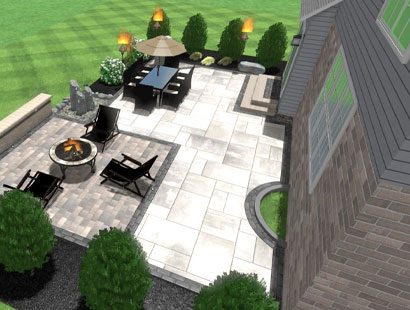
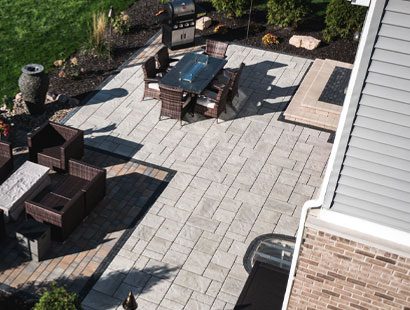
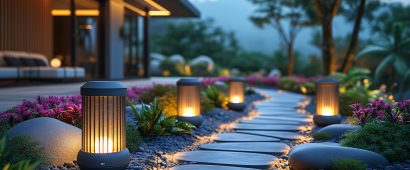
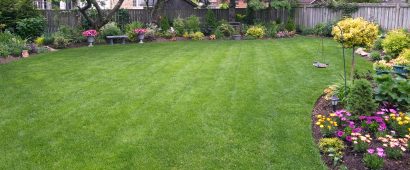
Your landscape deserves to be admired at all times. Uplighting and downlighting are two of the simplest tools for shaping how your yard feels at night. Whether you’re looking for safety improvements or just want your landscape to reflect your home’s architecture, landscape lighting is essential. Here’s what you should know:
- How the direction of your lighting changes mood, depth, and focal points after dark
- The practical difference between uplighting and downlighting, and when to use each
- How placement can highlight your home’s architecture and your favorite plants
- What to keep in mind for energy use and long-term performance
In this post, we’ll walk you through how uplighting and downlighting can help you accomplish your goals for your landscape design. If you have any questions after reading, our team at Midwest Landscape is happy to take your call.
How Does Lighting Direction Change the Mood of Your Outdoor Space?
Many homeowners believe that using landscape lighting is just to see better at night. However, landscape lighting can add dimension to your property. You can point a light upwards to draw attention to your favorite plants or an architectural structure you’re proud of. On the other hand, pointing lights downwards not only helps visitors see your walkways or stairs, but also provides a relaxing mood. Mixing both directions in one yard creates layers that both homeowners and visitors can enjoy.
What Is the Difference Between Uplighting and Downlighting?
Both techniques do more than set a mood. Each one carries its own practical job. Explore the purposes of uplighting and downlighting below.
Uplighting typically handles the decorative work. It:
- Casts dramatic shadows that add texture to tree bark and stone facades
- Draws attention upward to a home’s peak, columns, or a specimen tree
- Creates a focal point in a garden bed that would otherwise disappear at night
- Adds height and drama to a plain exterior wall without changing a single plant
Downlighting can be more functional, though it still looks good doing its job. It:
- Lights walkways, steps, and patios so family and guests can move safely
- Softens the transition between a lit patio and the darker yard beyond
- Reduces glare since the light source sits above eye level
- Keeps outdoor dining and seating areas comfortable to sit under after dark
Most outdoor lighting plans use both. The decorative capabilities of uplighting need the quiet structure of downlighting to feel balanced rather than scattered.
How Does Lighting Placement Bring Out Your Home’s Best Features?
Placement decides whether a fixture highlights something worth seeing or just lights up empty space. A few placement principles you can consider include:
- Light the tallest or most textured trees first, since uplighting reads best on bark, branches, and height
- Tuck downlights into pergolas, eaves, or tree limbs to create a soft, moonlit glow over patios and seating areas
- Use uplighting sparingly on water features so the glow reflects off the surface instead of washing it out
- Keep fixture spacing even along paths so the eye follows a steady rhythm rather than bright spots and dark gaps
Good placement treats light the same way a designer treats plants: every fixture earns its spot. Working with a dependable landscaping company helps you choose the lighting effects that work best for your space.
What Should You Consider for Energy Efficiency and Long-Term Lighting Performance?
A lighting plan that looks great on installation day should still look great in five years.
LED fixtures draw a fraction of the power older halogen bulbs need, and they hold their color output much longer, which keeps maintenance visits infrequent. Low-voltage systems also run cooler, so they put less stress on surrounding plants and mulch.
Before you commit to a layout, it’s important to consider the following:
- Fixture placement near sprinkler heads or drainage paths, since moisture shortens the life of wiring and connections
- Bulb temperature, measured in Kelvin, since warmer tones (around 2700K) tend to flatter stone, wood, and plants better than cooler, blue-white light
- A timer or smart control, so the display turns off automatically instead of running all night
- Fixture housing quality, since well-sealed, rated-for-outdoor housings resist corrosion through harsh Midwest winters
Thinking through these details now saves a rewiring job later. Talking through your design with your local landscapers can simplify the process and bring you peace of mind.
Ready to See Your Property in a New Light?
Uplighting and downlighting work best as partners, not competitors, one drawing the eye up, the other keeping feet steady on the ground. Together, they turn a yard that disappears at dusk into a space you actually want to use after sunset.
If you are picturing what that could look like at your own home, Midwest Landscape can walk the site with you, talk through your goals, and show you a 3D rendering of the design, lighting included, before a single fixture goes in the ground. Reach out to start planning your outdoor lighting today.
Financing Your Dream: Finance
with Ease
- Immediate Start: No money down.
- Zero Interest Option: 0% same as cash for 12 months.
- Extended Plan: 6.99% interest over 60 months.
- Generous Limits: Finance up to $75,000.
- Quick Approvals: Get approved in just 5 minutes.
Are You
Ready to Start
Your Project?
Let us assist you.
Let us know what you’re envisioning, and we’ll get in touch
right away to schedule an appointment to examine
your site, learn about your goals, and provide expert
recommendations.


NUVEW | Copyright 2026 All Rights Reserved | Privacy statement | Accessibility Notice
The information on this website is for informational purposes only; it is deemed accurate but not guaranteed. It does not constitute professional advice. Testimonials are not a guarantee, warranty or prediction of what your experience with us will be. By providing contact information, users acknowledge and give explicit consent to be contacted via the methods of communication provided, including SMS. Message and data rates may apply. Message frequency may vary. Reply STOP to opt out.